
When people talk about Hajj funds, the conversation almost always begins with returns. How much income was generated this year? How much can be distributed to pilgrims? Which investments performed best?
These are important questions, but perhaps they are no longer the most important ones. The COVID-19 pandemic offered a reminder that even the strongest institutions can suddenly face pressures they never expected. Travel stopped, property values came under pressure, hospitality assets became vulnerable, and uncertainty spread quickly across global markets. The more difficult question is what happens when conditions suddenly become unfavorable. What happens when markets fall sharply, when a property investment underperforms, when geopolitical tensions disrupt travel and hospitality or when a financial crisis creates pressure across multiple sectors at the same time? More importantly, what protects pilgrims’ money when those moments arrive?
Banks have already learned this lesson. After every major financial crisis, regulators tighten the rules governing banks. They are required to hold capital, build reserves, run stress tests and disclose more information to the public. In other words, banks are expected to prepare for bad years during good years. The global language for that preparation is Basel.
Hajj funds, however, still do not have an equivalent framework.
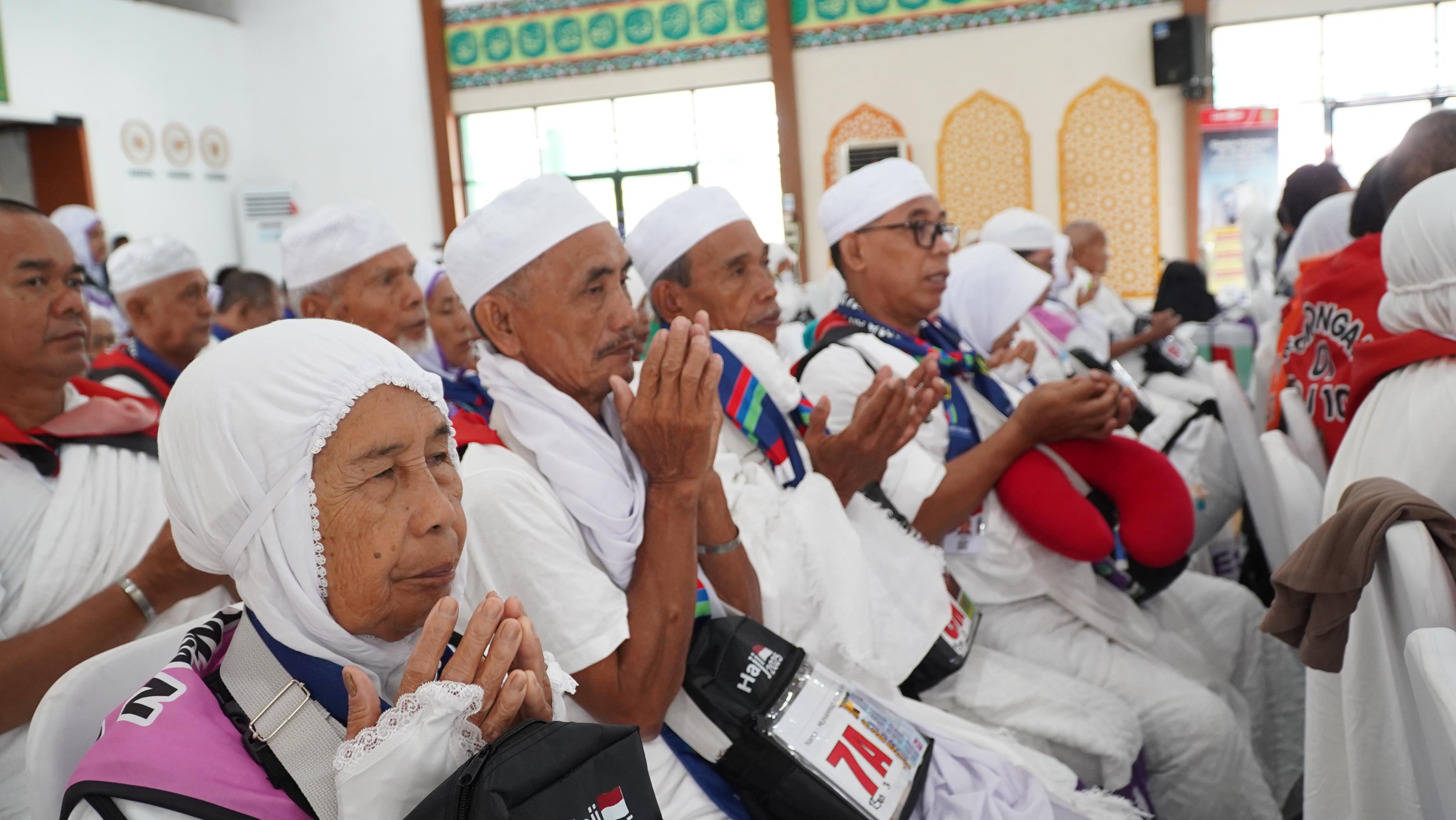
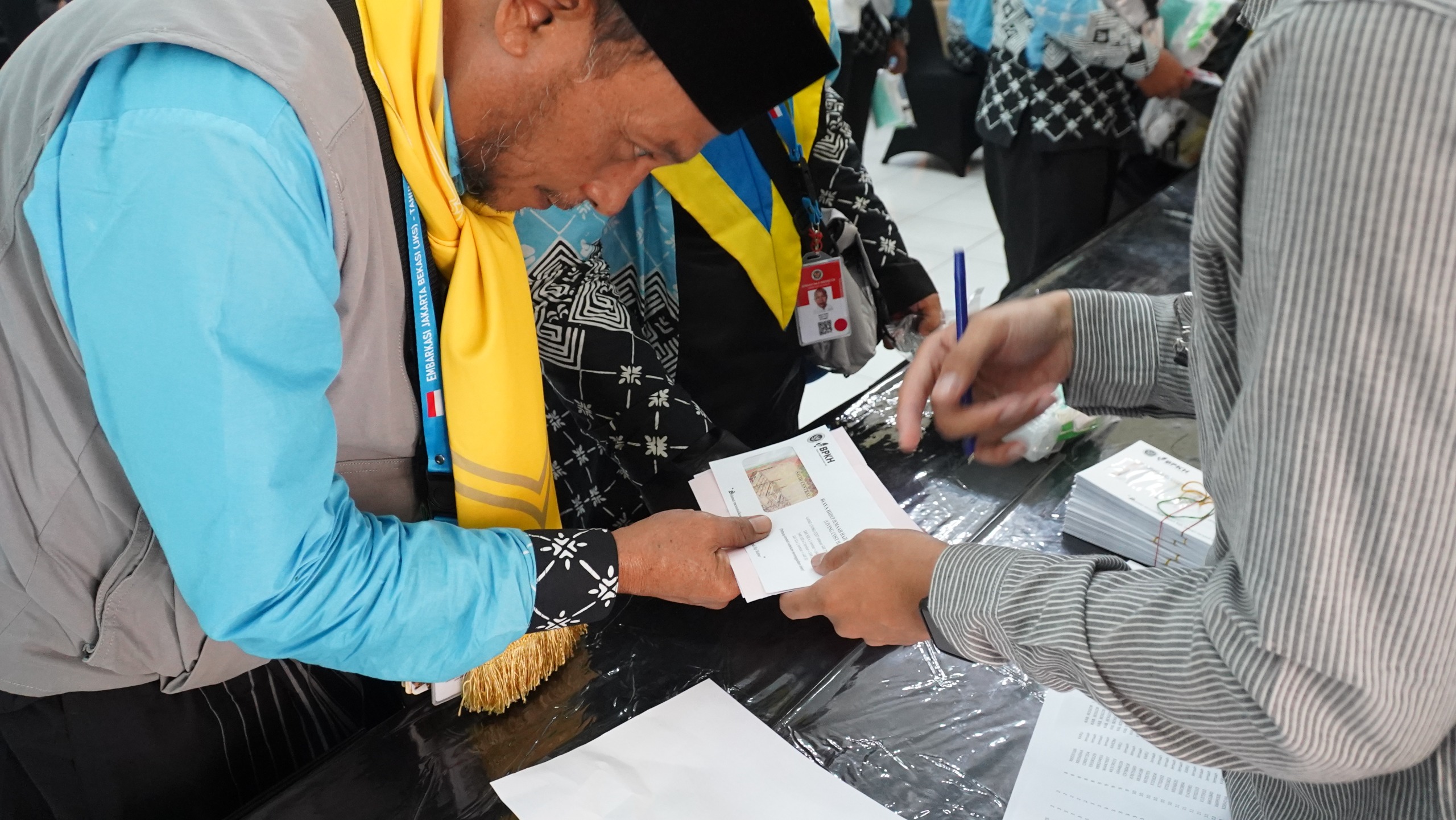
This is increasingly becoming a problem. Institutions such as Indonesia’s Badan Pengelola Keuangan Haji (BPKH), or Hajj Financial Management Agency, and Malaysia’s Tabung Haji now manage a combined total of more than US$30 billion on behalf of millions of Muslims. They are no longer small savings institutions. They have become systemically important fiduciary institutions with a direct impact on the future affordability and sustainability of the Hajj. They invest in Sukuk, equities, gold, property and increasingly in more complex and illiquid assets. Yet there is still no common standard that tells Hajj funds how much they should hold in reserve, how they should measure risk, who should review them independently or what they should disclose to the public.
Instead, each institution seems to follow its own rulebook. Some borrow concepts from Basel. Others rely on Committee of Sponsoring Organizations, International Organization for Standardization 31000, or internal governance policies. None of these approaches are necessarily wrong, but the result is that there is no common benchmark. One Hajj fund may appear strong because it reports healthy returns, while another may look weaker despite having better reserves and stronger governance. Without a common framework, it becomes difficult to compare institutions or to know whether they are truly prepared for a crisis.
Imagine if every airline in the world had different safety rules. Some might require more training for pilots, others might inspect their aircraft more frequently, while some might choose to do neither. Passengers would have no way of knowing which airline was genuinely safer.
Today, Hajj funds are operating without a common safety manual.
The most obvious difference between banks and Hajj funds is that Hajj funds do not have capital in the traditional sense. Banks have shareholders and equity capital that can absorb losses. Hajj funds manage pilgrims’ money. They do not have a large pool of shareholder capital that can be used when investments fall in value.
But the absence of capital does not mean the absence of risk.
In fact, Hajj funds may face a unique type of risk because they often invest for the long-term and hold assets that are difficult to sell quickly. A Hajj fund that invests heavily in property, hospitality projects or private investments may face significant pressure during a downturn. Without a reserve, the institution may eventually be forced to reduce future benefits, delay strategic plans or become overly cautious at exactly the wrong moment.
This is why Hajj funds need their own version of capital. Not shareholder capital, but a dynamic risk buffer.
The idea is simple. During good years, when markets are strong and investment returns are healthy, part of the surplus should be set aside. During difficult years, that reserve can be used to absorb losses and protect the interests of pilgrims. Once conditions improve, the reserve can gradually be rebuilt.
In many ways, this would not be a completely new idea. Institutions such as Tabung Haji, pension funds and sovereign wealth funds already maintain reserves or retain part of their surplus before distributing returns. The principle is familiar: resilience must come before distribution.
Such an approach would also create a healthier balance between present and future generations of pilgrims. A Hajj fund that distributes every available surplus today may appear generous, but it may also leave future pilgrims more exposed when conditions worsen. By contrast, a Hajj fund that keeps a modest reserve may be making a more responsible choice because it is protecting both today’s pilgrims and tomorrow’s.
There is another reason why Hajj funds need their own Basel. Banks are supervised by central banks and financial regulators. Hajj funds usually are not. In many countries, Hajj funds sit directly under governments or ministries. Often, the people overseeing the institution are at roughly the same level as the people making the key decisions.
That makes independent supervision difficult.
Who decides whether reserves are sufficient? Who challenges optimistic assumptions? Who asks what would happen if markets fell by 20%, if a major project failed, or if liquidity suddenly disappeared? Without an independent review process, there is always a risk that institutions become too comfortable during good times.
That is why a future framework for Hajj funds should not only require reserves, but also independent risk committees, regular stress testing and stronger separation between investment decisions and risk oversight. The purpose is not to create more bureaucracy. It is to create a system in which important questions are asked before a crisis, not after one.
Transparency is equally important. Today, some Hajj funds publish detailed annual reports, while others provide very little information about their reserves, risk profile, or exposure to illiquid assets. As a result, public trust often depends more on reputation than on evidence.
A common standard could change that. Imagine if all Hajj funds published the same basic information, such as the size of their reserves, the concentration of their investments, the results of their stress tests and the extent to which they could withstand a major downturn. Such disclosure would not weaken trust. On the contrary, it would strengthen it.
The next stage in the evolution of Hajj fund governance may be to encourage a wider exchange of ideas on how Hajj fund institutions can strengthen resilience, governance and risk management. There is already valuable experience across different parts of the Islamic finance industry. Islamic banks have developed capital and liquidity standards.
Takaful operators have built stronger approaches to solvency and governance. Sovereign wealth funds, pension funds and Hajj institutions themselves have all developed different ways of building reserves and protecting long-term beneficiaries.
The opportunity now may be to learn more systematically from these experiences and gradually develop a more common language for Hajj fund resilience and governance.
The objective would not be to impose a single model. Indonesia, Malaysia and other countries will always have different legal systems and different institutional structures. But there should at least be a common language for resilience, governance and protection.
Hajj funds do not need to become banks. But they are now too large, too important and too exposed to risk to continue operating without a common prudential framework.
Banks have Basel. Hajj funds need their own Basel.
Disclaimer: The views expressed in this article are solely the personal views of the author and do not necessarily represent the official position of any institution.
This article was previously published in Islamic Finance news on 7th October 2026 under the title “Hajj funds need their own Basel”.