Search

Enter at least 3 characters to start searching.

Ummah Endowment Fund

About Sustainability Programs

BPKH Sustainability Programs represent the distribution of benefits from the management of the Endowment Fund for the Ummah (Dana Abadi Umat), managed professionally and with trust.

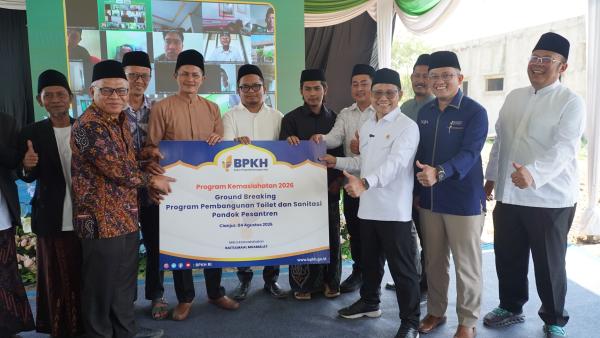
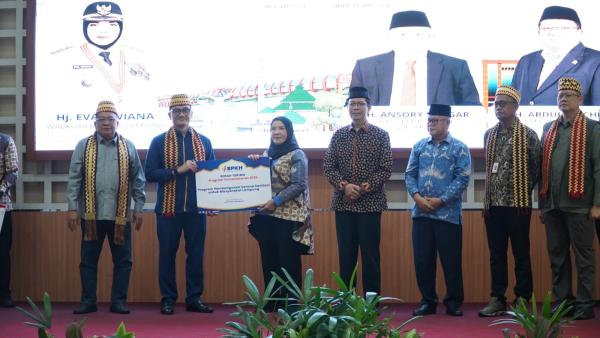
The BPKH Sustainability Program is a program for distributing the benefits from the management of Hajj Funds aimed at providing benefits for the welfare of Indonesian Muslims, distributed across Hajj Worship Services, Education and Da'wah, Health, Worship Facilities and Infrastructure, Economic Empowerment of the Ummah, Disaster Response, and Social Religious Affairs.

Sustainability Program Summary 2019-2025

Estimated total distribution of Ummah Endowment Fund returns by area since BPKH was established.

Estimated total distribution 2019-2025 Rp1,31 trillion
  • 7 program areas
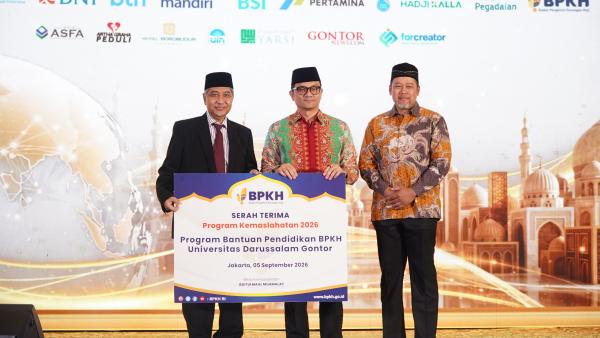
  1. Education and Da'wah New classrooms, facilities and infrastructure, da'wah service vehicles, BPKH Scholarships, etc.
    Rp364,57 billion 27,9% of total
  2. Social Religious Affairs Ramadan programs, qurban, mass circumcision, food packages, hearses, tree endowment (waqf), etc.
    Rp335,52 billion 25,7% of total
  3. Hajj Pilgrimage Services Building and providing hajj embarkation facilities and infrastructure, etc.
    Rp184,23 billion 14,1% of total
  4. Worship Facilities and Infrastructure Building/renovating mosques, mosque facilities and infrastructure, mosque revitalization, etc.
    Rp168,11 billion 12,9% of total
  5. Health Health facilities, sanitation, clean water, healthcare buildings, ambulances, cataract surgery, etc.
    Rp150,62 billion 11,5% of total
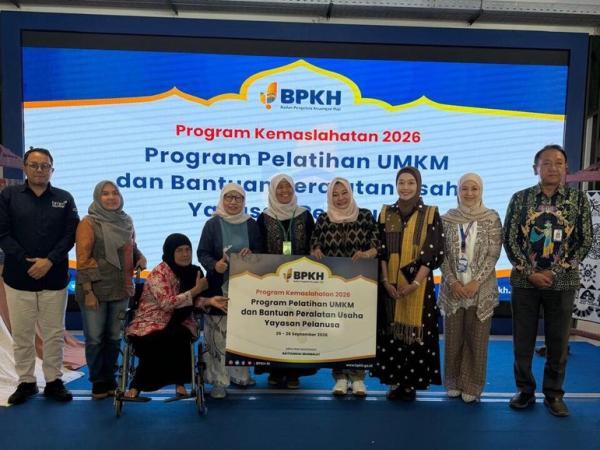
  6. Economic Empowerment of the Ummah Business capital, business tools, livestock programs, training and empowerment, etc.
    Rp75,53 billion 5,8% of total
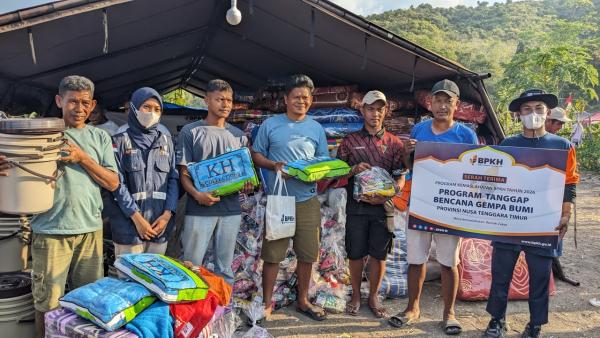
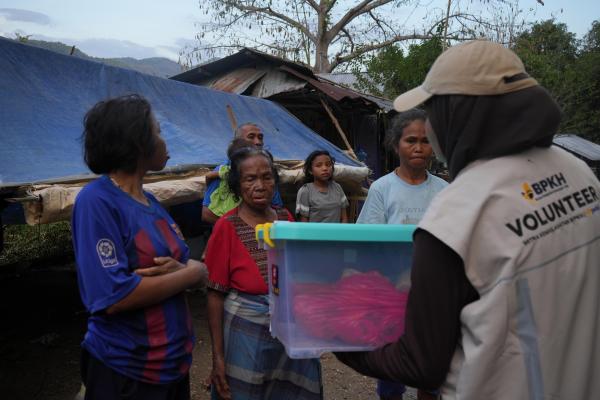
  7. Disaster Response Rescue vehicles, basic needs (emergency response), disaster recovery programs, etc.
    Rp28,16 billion 2,2% of total

Estimate combining realized distribution for 2019-2024 (audited) and the 2025 Budget Realization Report (audited).

Sustainability Program Areas

Returns on the Ummah Endowment Fund are channeled through the following areas. Open each card to see example activities.

Hajj Pilgrimage Services

Activities aimed at improving services for Hajj pilgrims before, during, and after the Hajj pilgrimage, with the objective of providing facilities and infrastructure for Hajj worship services domestically and/or internationally.

5 example activities
  • Construction/renovation of Integrated Hajj and Umrah Service Centers (PLHUT)
  • Procurement of Hajj pilgrim service vehicles
  • Procurement of mobile Hajj registration vehicles
  • Construction/renovation/provision of Hajj dormitory supporting facilities and infrastructure
  • Procurement of Hajj pilgrim souvenirs

Education and Da'wah

Sustainability activities aimed at improving the quality of human resources among Muslims and empowerment activities for the Muslim community.

5 example activities
  • Construction/renovation of da'wah buildings/da'wah halls/da'wah gazebos/Islamic organization buildings
  • Procurement of da'wah service vehicles
  • Procurement of mobile Quran learning service vehicles
  • Procurement of pesantren/madrasah digitalization
  • Development of Islamic propagation facilities, infrastructure, and da'wah media

Health

Activities aimed at improving the health quality of Muslim human resources.

6 example activities
  • Health quality improvement including mass free medical treatment or mass free circumcision activities
  • Stunting prevention
  • Construction and/or renovation of clinics and/or hospitals
  • Procurement of ambulances or medical equipment
  • Construction of clean water facilities and/or community drinking water installations
  • Construction of waste and/or garbage processing installations and/or toilets or sanitation facilities

Worship Facilities and Infrastructure

Empowerment activities for the Muslim community through construction programs for worship facilities and infrastructure such as mosques, prayer rooms, and mosque or prayer room amenities.

6 example activities
  • Construction/renovation of mosques/prayer rooms
  • Revitalization of mosques/prayer rooms
  • Construction/renovation of ablution facilities or mosque and prayer room supporting facilities
  • Procurement of mosque/prayer room sound systems
  • Procurement of carpets/prayer mats/pulpits/mosque and prayer room furnishings
  • Procurement of funeral vehicles

Economic Empowerment of the Ummah

Empowerment activities for the Muslim community aimed at building the national economy organized through economic democracy with sharia principles, solidarity, and equitable efficiency.

9 example activities
  • Entrepreneurship education/training/capacity building
  • BPKH Santripreneur Program
  • Enhancement of Muslim entrepreneurial activities through micro and small enterprises
  • Construction or development of the BPKH Kampung Haji Community Development Program
  • Haji-Mart (H-Mart) Program
  • Procurement of agricultural, livestock, or fishery/fishing equipment
  • Development of halal tourism, products, and/or services
  • Procurement of livestock including cattle/sheep/goats/poultry
  • Procurement of supporting vehicles for agriculture/fishery/micro and small enterprises

Social Religious Affairs

Empowerment activities for the Muslim community by providing aid and/or social assistance to protect against potential social risks.

6 example activities
  • Distribution of sacrificial meat donations or Hajj DAM meat/processed products
  • Distribution of basic necessities
  • Assistance for orphans and the underprivileged
  • Assistance for persons with disabilities
  • Assistance for new converts (mualaf)
  • Provision of facilities, infrastructure, and social services for Muslims including construction/renovation of orphanages or procurement of social service vehicles

Sustainability Program Reports

Transparency and accountability in the distribution of sustainability programs is a commitment of BPKH. Below are the reports you can access.

Frequently Asked Questions

Who can submit a Sustainability Program proposal?
Proposals can be submitted by legally established institutions/organizations such as foundations, Islamic community organizations, pesantren (Islamic boarding schools), mosques, or Islamic educational institutions that have programs aligned with BPKH sustainability program areas.
How do I submit a Sustainability Program proposal?
1. Prepare a proposal according to the specified format
2. Complete the required supporting documents
3. Submit online through the BPKH Sustainability Program website
4. Wait for the verification and assessment process
5. If approved, an agreement will be signed
How long does the Sustainability Program proposal review process take?
The proposal review process takes approximately 2-3 months from when the complete proposal is received. This process includes administrative verification, feasibility assessment, and approval from the Head of the BPKH Executive Body.
What documents are required to submit a proposal?
1. Complete program proposal
2. Institution's deed of establishment
3. Institution's tax identification number (NPWP)
4. Operational permit
5. Bank account in the institution's name
6. Documentation of previous activities
7. Detailed budget plan

Still have other questions?

Contact Us